
Why Conservation Easements Matter: Protecting Habitat and Ownership
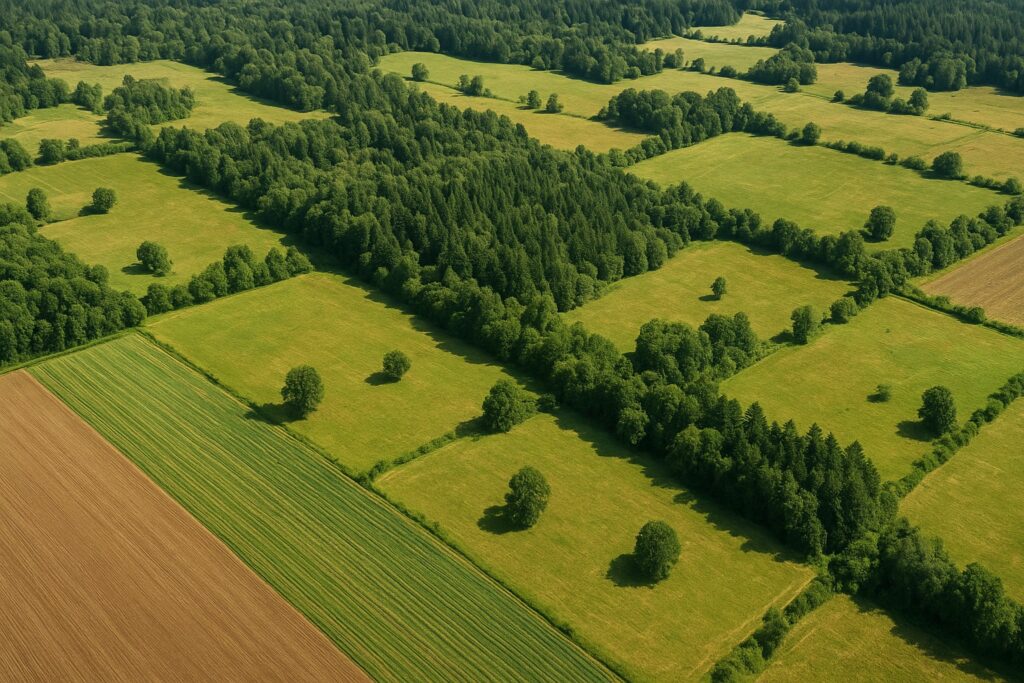
In Washington State, the balance between land development and conservation has become a critical issue for farmers, ranchers, and timberland owners. Conservation easements offer a viable solution, allowing landowners to protect valuable habitats while maintaining private ownership. This approach is particularly relevant in the Pacific Northwest, where diverse ecosystems and agricultural lands coexist. Understanding Conservation […]
Why Wildlife Habitat Improves Property Value
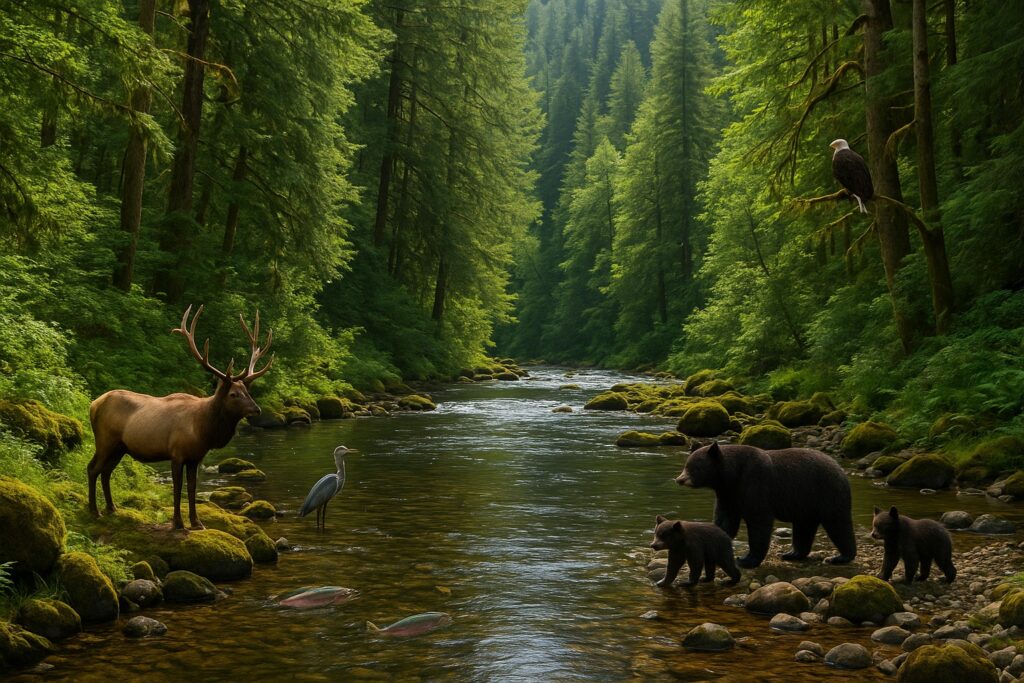
In Washington State, the intrinsic value of land is often tied to its natural features. For farmers, ranchers, timberland owners, and rural land buyers, understanding the benefits of wildlife habitat can significantly impact property value. Land with healthy ecosystems is not only more attractive to recreational buyers but also supports sustainable land stewardship. The Appeal […]
How Hunting Land Retains Long-Term Value in Washington State
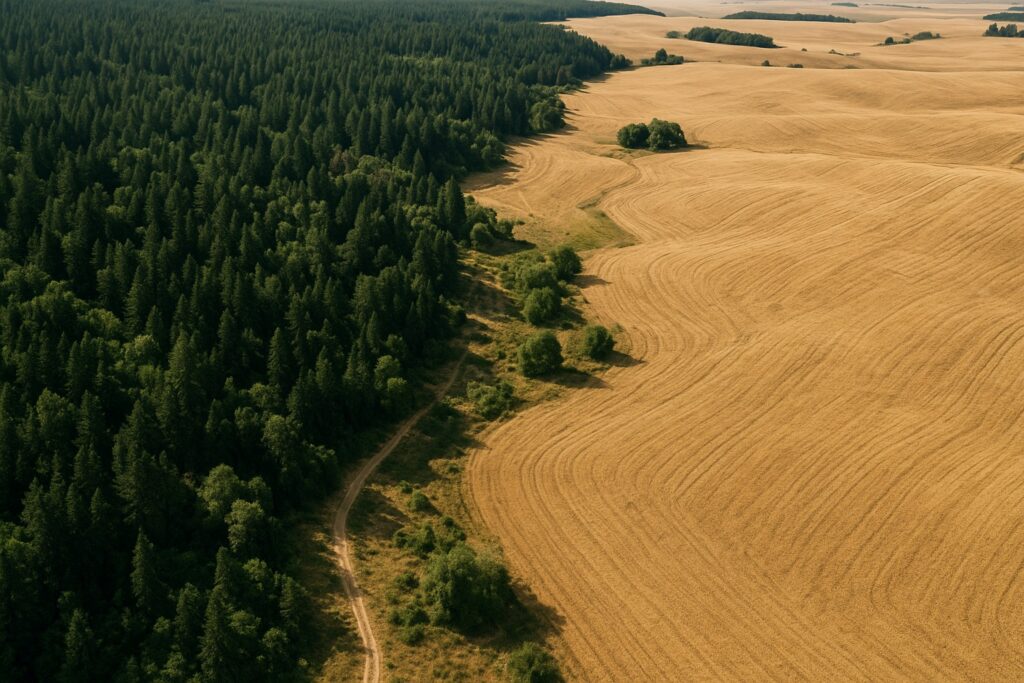
In Washington State, the allure of hunting land is growing, driven by a combination of limited supply and increasing demand. This trend is particularly relevant in the Pacific Northwest, where diverse ecosystems offer unique opportunities for recreational land use. Understanding how hunting land retains long-term value is crucial for farmers, ranchers, timberland owners, and rural […]
Timberland Ownership in Washington State — Managed Forests Provide Renewable Resources, Wildlife Habitat, and Long-Term Land Value
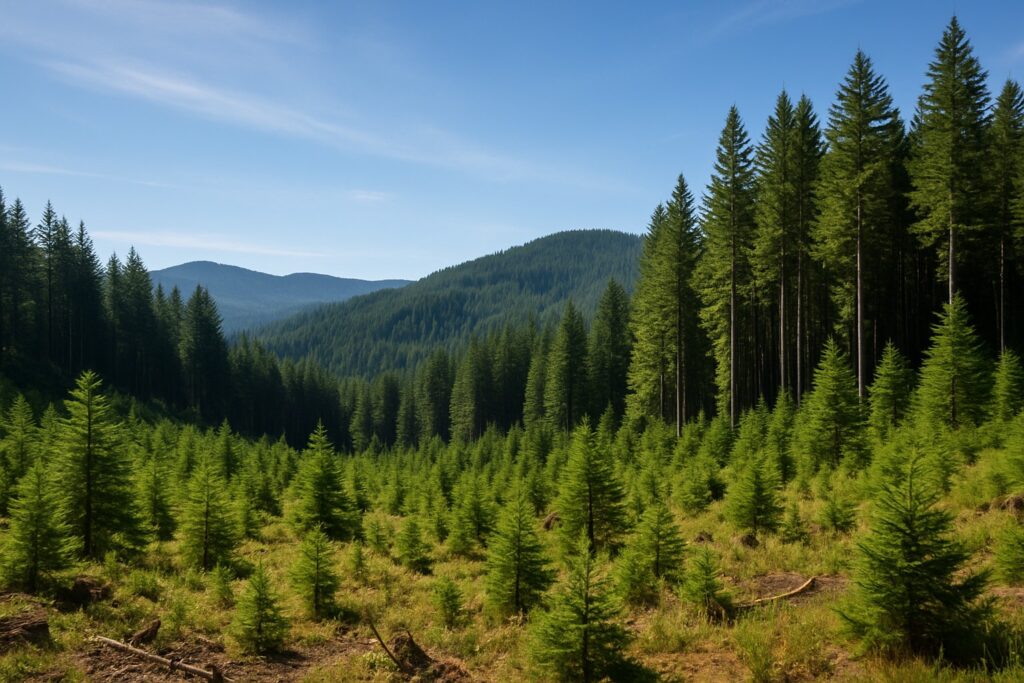
Washington State, with its diverse ecosystems and rich forestry heritage, offers a unique opportunity for timberland ownership. Managed forests in the region not only provide renewable resources but also contribute significantly to wildlife habitat and long-term land value. For farmers, ranchers, and investors, understanding the benefits of owning timberland in Washington is crucial for making […]
Elk Behavior and Seasonal Movement — Understanding Migration Patterns Helps Landowners Plan Effective Wildlife Habitat Improvements
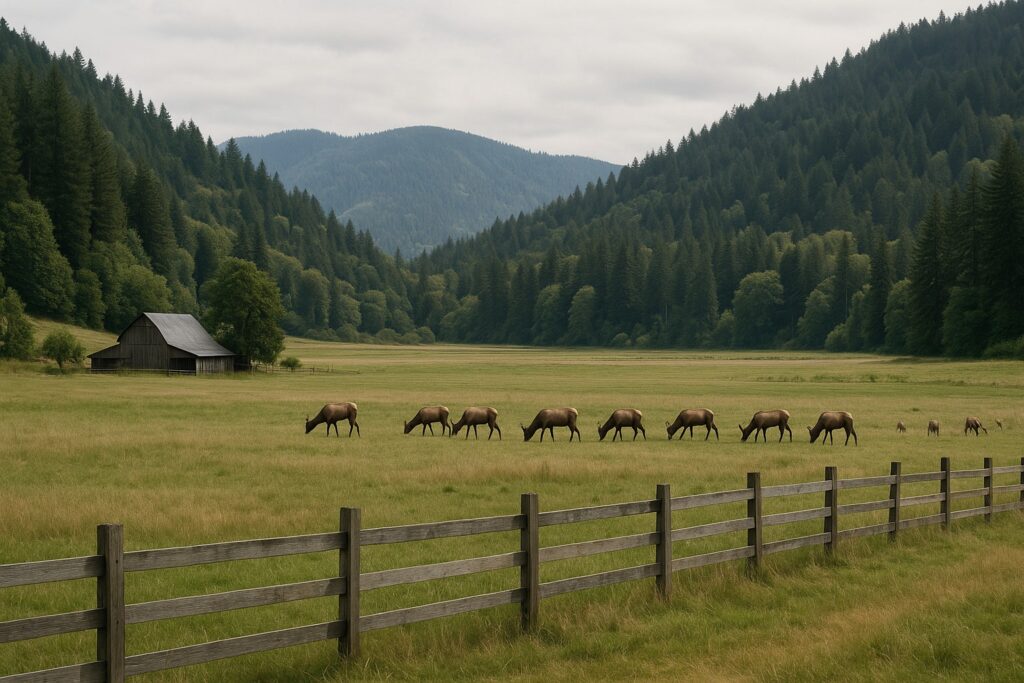
Elk, a prominent species in Washington State, play a crucial role in the ecosystem. Understanding their behavior and seasonal movement is essential for landowners aiming to enhance wildlife habitat on their properties. By aligning land management practices with elk migration patterns, landowners can support both ecological balance and agricultural productivity. Elk Migration Patterns in Washington […]
Why Wildlife Water Sources Matter During Dry Summers
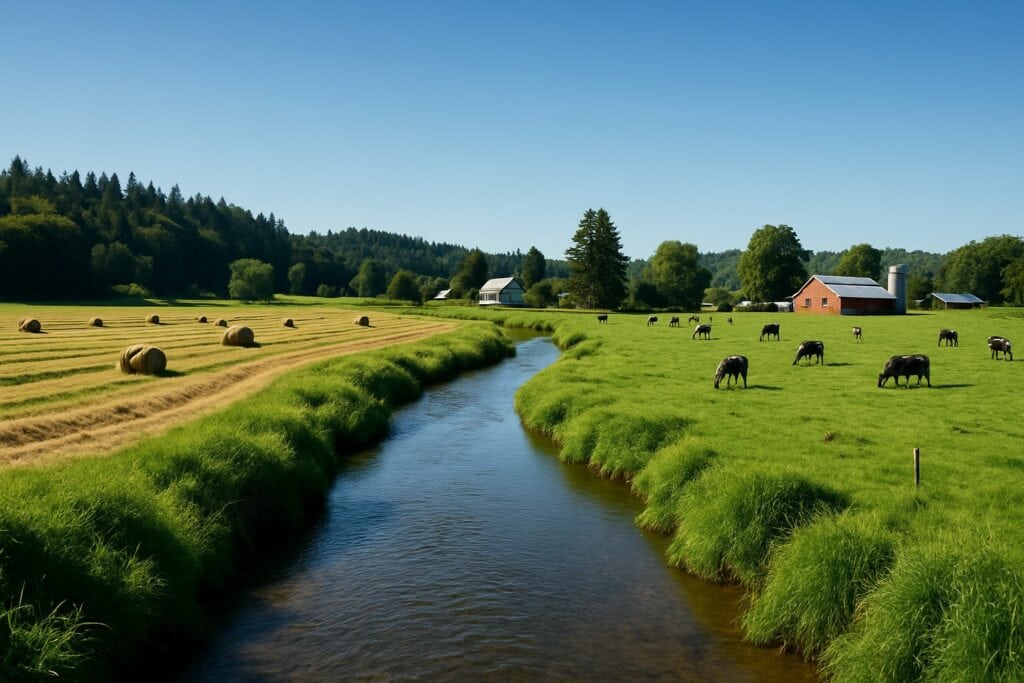
In Washington State, the summer months can present unique challenges for landowners focused on maintaining vibrant wildlife habitats. As temperatures rise and rainfall decreases, reliable water sources become crucial for sustaining wildlife on recreational land. Understanding the importance of these water sources can significantly enhance the value and ecological diversity of your property. The Importance […]
Food Plots for Pacific Northwest Wildlife
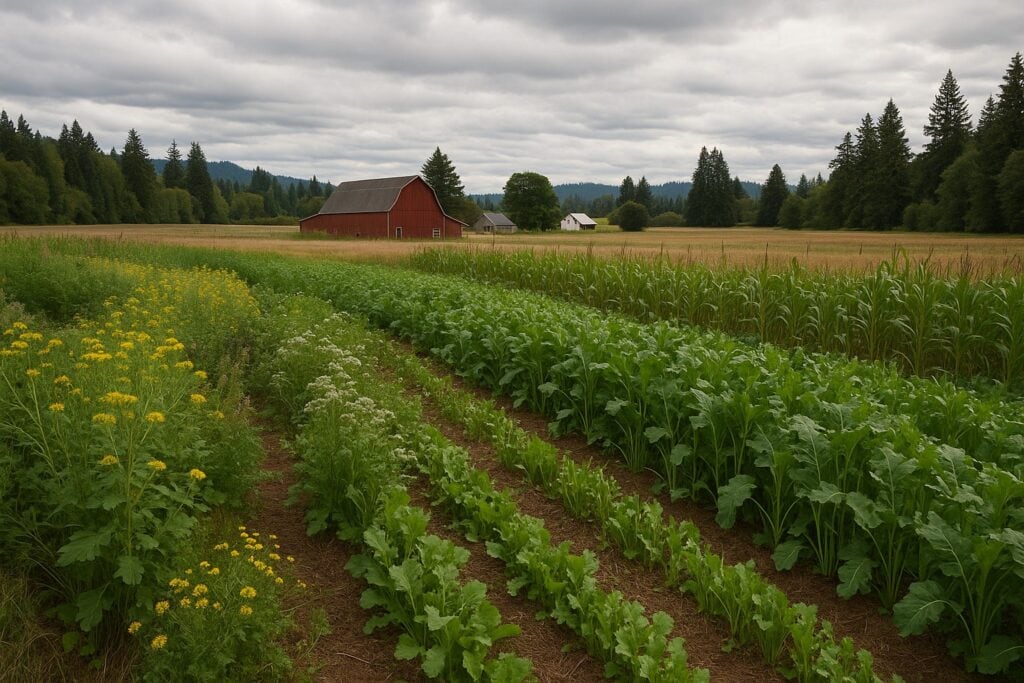
In the diverse landscapes of Washington State and the broader Pacific Northwest, creating food plots can be a strategic way to enhance wildlife habitats on hunting properties. These plots supplement natural forage, providing critical nutrition for various species including deer, elk, and birds. By understanding the unique environmental conditions and leveraging local resources, landowners can […]
Managing Meadows for Wildlife: Enhancing Habitat in Washington State
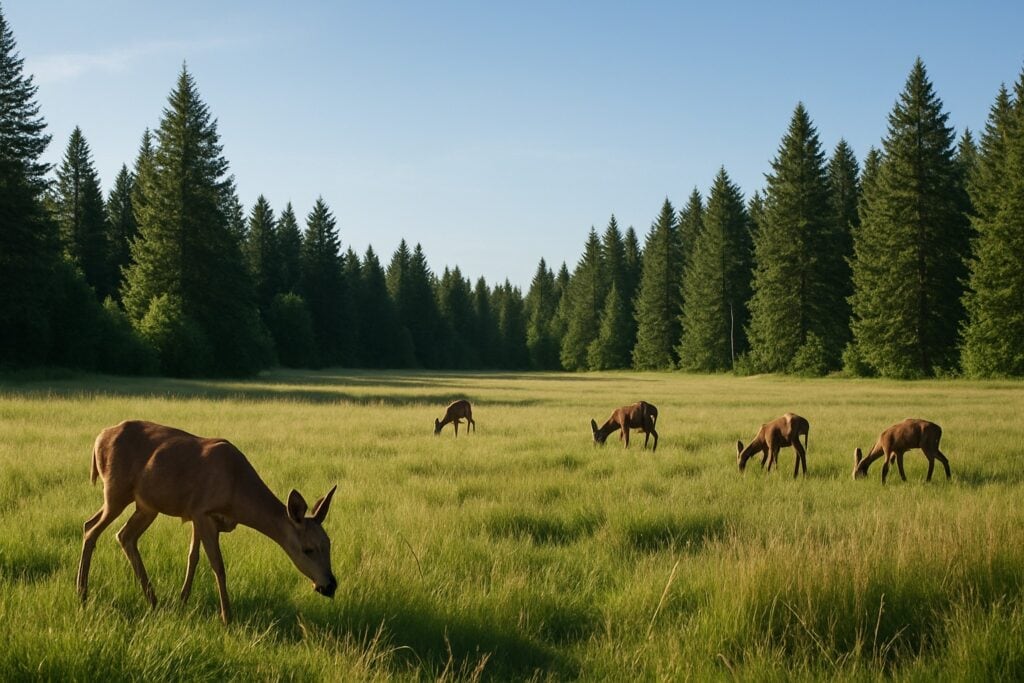
Open grassland areas, or meadows, play a crucial role in supporting wildlife in Washington State. These habitats provide essential forage for deer, elk, and other herbivores, contributing to the ecological balance and biodiversity of the region. Managing meadows effectively can enhance wildlife presence, benefiting both the environment and landowners. The Importance of Meadows in Washington […]
How Timber Management Influences Wildlife Habitat in Washington State
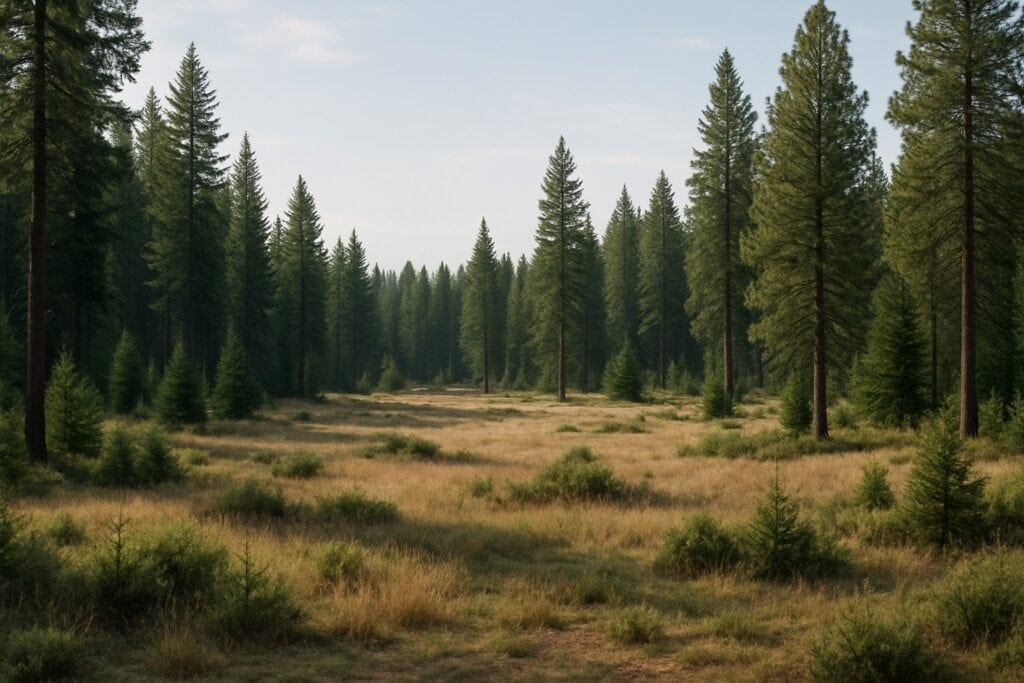
Washington State’s diverse landscapes offer unique opportunities for timber management that can enhance wildlife habitat while maintaining long-term timber value. Thoughtful forest management practices not only support the state’s rich biodiversity but also contribute to sustainable land stewardship, benefiting both landowners and wildlife. Enhancing Forage for Deer and Elk In Washington, deer and elk are […]
Why Native Plants Improve Backyard Ecology in Washington State

In Washington State, the integration of native plants into backyard ecosystems offers a multitude of benefits that align with the region’s unique environmental conditions. From supporting local wildlife to enhancing soil resilience, native plant species are a cornerstone of sustainable land management practices. For farmers, ranchers, and rural landowners in the Pacific Northwest, understanding the […]
