Cattle Branding Traditions in the Pacific Northwest

The Significance of Cattle Branding in the Pacific Northwest The Pacific Northwest, particularly Washington State, has a long-standing tradition of cattle ranching that dates back several centuries. Central to this tradition is the practice of cattle branding, a distinctive mark imprinted on the hide of the cattle to signify ownership. While often associated with the […]
Grazing Leases on Public Land: What Ranchers Should Know

Understanding Grazing Leases on Public Land As a rancher or farmer in Washington State and the Pacific Northwest, you may be considering grazing leases on public land as a practical solution for your livestock. These leases, which are agreements allowing livestock to graze on government-owned land, can offer a cost-effective alternative to purchasing or leasing […]
Looking back at cattle ranching in the PNW

Historical Overview of Cattle Ranching in the Pacific Northwest Cattle ranching has long been a fundamental part of the agrarian economy and cultural heritage of the Pacific Northwest. The roots of this industry can be traced back to the early 19th century when the earliest settlers arrived in the Pacific Northwest, bringing with them cattle […]
Washington State’s Farm Internship Program: A Gateway for New Farmers

Understanding Washington State’s Farm Internship Program Washington State’s Farm Internship Program is a unique initiative designed to provide budding farmers with practical insights into the agricultural industry. This innovative program, managed by the Washington State Department of Labor & Industries (L&I), offers a hands-on approach to learning, allowing interns to gain first-hand experience on small […]
Why are the taxes so low on land in Washington?

Washington State, known for its diverse landscapes and rich agricultural heritage, offers unique opportunities for farmers, ranchers, and rural land buyers. One such opportunity lies in the state’s distinctive tax structures for land, specifically open space and agricultural tax classes. This article will delve into why taxes on land in Washington are comparatively low and […]
Does it make sense to invest in farmland?
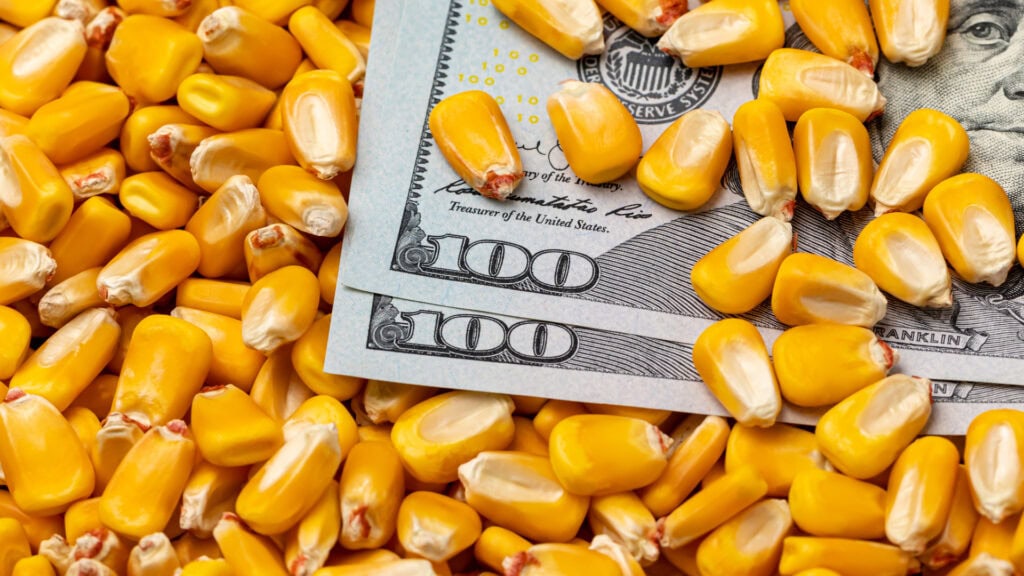
Does it Make Sense to Invest in Farmland? 5 Reasons Why Farmland is a Good Investment When You Don’t Trust Wall Street Considering the uncertain economic climate, many investors are diversifying their portfolios beyond traditional stocks and bonds. One investment that consistently shows promise is farmland. This article explores five reasons why investing in farmland, […]
Understanding the Environmental Quality Incentives Program (EQIP)

Understanding the Environmental Quality Incentives Program (EQIP) in Washington State and the Pacific Northwest The Environmental Quality Incentives Program (EQIP) is a voluntary program administered by the USDA’s Natural Resources Conservation Service (NRCS). EQIP is designed to support agricultural producers in their efforts to manage natural resources in a sustainable and environmentally friendly manner. This […]
Using a Land Broker can set you up for Success in Farming

Success in farming is often marked by an array of key decisions that directly influence profitability and long-term sustainability. One such critical choice is selecting the right land for your farming operations. In Washington State and the Pacific Northwest, land brokers play a pivotal role in this process. In this article, we explore how land […]
Washington State Nitrate Concerns and What They Mean for Rural Wells

Water quality in rural wells is a critical issue for landowners in Washington State and throughout the Pacific Northwest. One particular concern is nitrate contamination, which can affect both human health and the environment. In this article, we will explore the causes and implications of nitrate pollution, as well as strategies for managing this issue […]
What is a Homestead in 2025?

Suburban farming, or homesteading, is a term that has evolved considerably over the years. Historically, the Homestead Act of 1862, a federal law, offered 160 acres of public land virtually free to any citizen or intended citizen who was head of household, thereby enabling many families to own land for farming. Today, the term ‘homesteading’ […]
