
Women in Agriculture; Looking Back at Tractorette School

The history of agriculture in the Pacific Northwest is as rich and varied as the crops it produces. One lesser-known chapter of this history is the role of Tractorette Schools. These unique institutions were a response to the labor shortages during the World War II era and played an instrumental role in maintaining the region’s […]
Salmon Habitat and Farmland: Striking a Balance in Water Policy

Washington State, celebrated for its rich agricultural industry and diverse ecological habitats, faces the unique challenge of balancing the needs of both farming communities and native wildlife. One area where this balance is particularly critical lies in water policy, where farmland irrigation and salmon habitat preservation often intersect. This article explores the relationship between salmon […]
Understanding the Prior Appropriation Doctrine in Washington Water Law

Understanding the Prior Appropriation Doctrine in Washington Water Law One of the key components of agricultural success in Washington State and the Pacific Northwest is understanding and effectively managing water rights. This article focuses on the Prior Appropriation Doctrine, a fundamental principle of water law in Washington State, and its impact on farmers, ranchers, and […]
10,500+ Acres Transferred to American Farmer

FOR IMMEDIATE RELEASE Washington State Land for Sale Announces Record-Breaking Sale of 10,500 Acres in Whitman County The Pacific Northwest’s Only Woman-Owned Land Brokerage Secures Landmark Deal, Bringing New Agricultural Prosperity to the Region [Lacrosse, WA] — Washington State Land for Sale, the premier and only woman-owned land brokerage in the Pacific Northwest specializing in […]
Should we Blame Farmers for That?

Farmers are often unfairly blamed for environmental pollution linked to fertilizer use. In reality, they take significant steps to minimize chemical usage due to economic pressures, environmental stewardship, licensing requirements, and personal ethics. Modern farmers understand that overusing fertilizers and pesticides is costly, ineffective, and harmful to both their land and surrounding ecosystems. Economic Considerations […]
Are Tractors Destroying the Planet??
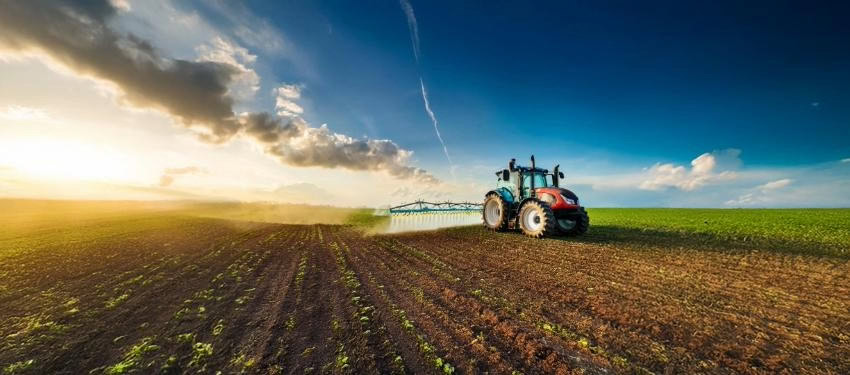
Modern Farming: The Culmination of Hundreds of Steps Toward Restoration and Sustainability Modern farming practices have significantly reduced environmental impacts compared to older, fossil fuel-intensive techniques. Where traditional farming relied heavily on fossil fuels for machinery, fertilizers, and pesticides, today’s practices focus on sustainability, efficiency, and resource conservation. Lower Fossil Fuel Dependence Advances in technology, […]
Agriculture Basics: FSA Loans
Understanding FSA Loans: A Guide for Farmers Farm Service Agency (FSA) loans are a lifeline for many farmers and ranchers who need financial assistance to purchase land, expand operations, or recover from natural disasters. These loans, provided by the United States Department of Agriculture (USDA), are designed to help agricultural producers access the funds they […]
Rotational Grazing and Wildlife Management
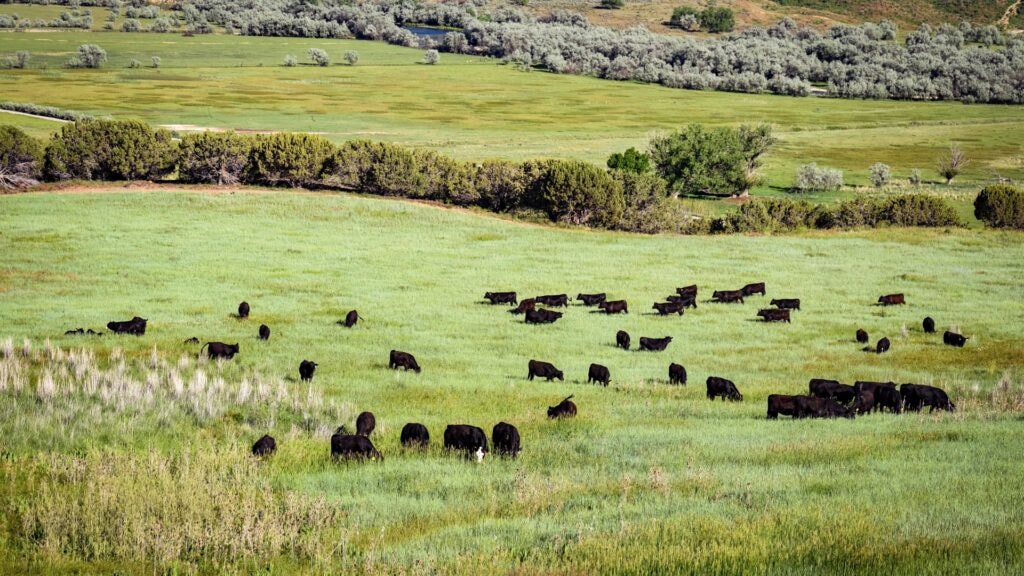
Rotational grazing is a livestock management practice that can significantly benefit wildlife management. This method involves moving livestock between different pastures or grazing areas on a planned schedule to prevent overgrazing and allow vegetation recovery. The value of rotational grazing in wildlife management is multifaceted, contributing to ecological balance, biodiversity, and habitat improvement. One primary […]
Agriculture Basics: What is Dryland Farming?

Dryland farming in Washington State is a crucial agricultural practice, especially in the semi-arid regions of Eastern Washington. This method relies on minimal rainfall, typically without the use of irrigation, making it well-suited for areas like the Palouse and the Columbia Plateau. Farmers in these regions grow crops such as wheat, barley, and legumes, which […]
The Value of Farmer’s Markets

Farmers markets hold significant value and importance for both communities and the broader economy. These markets provide a direct link between farmers and consumers, fostering a sense of connection and mutual support. By offering fresh, locally-grown produce, farmers markets contribute to healthier eating habits and in some communities, referred to as food deserts, are the […]
